Pokémon Go Secretly Built a Robot Navigation System
Authors: Science Blog

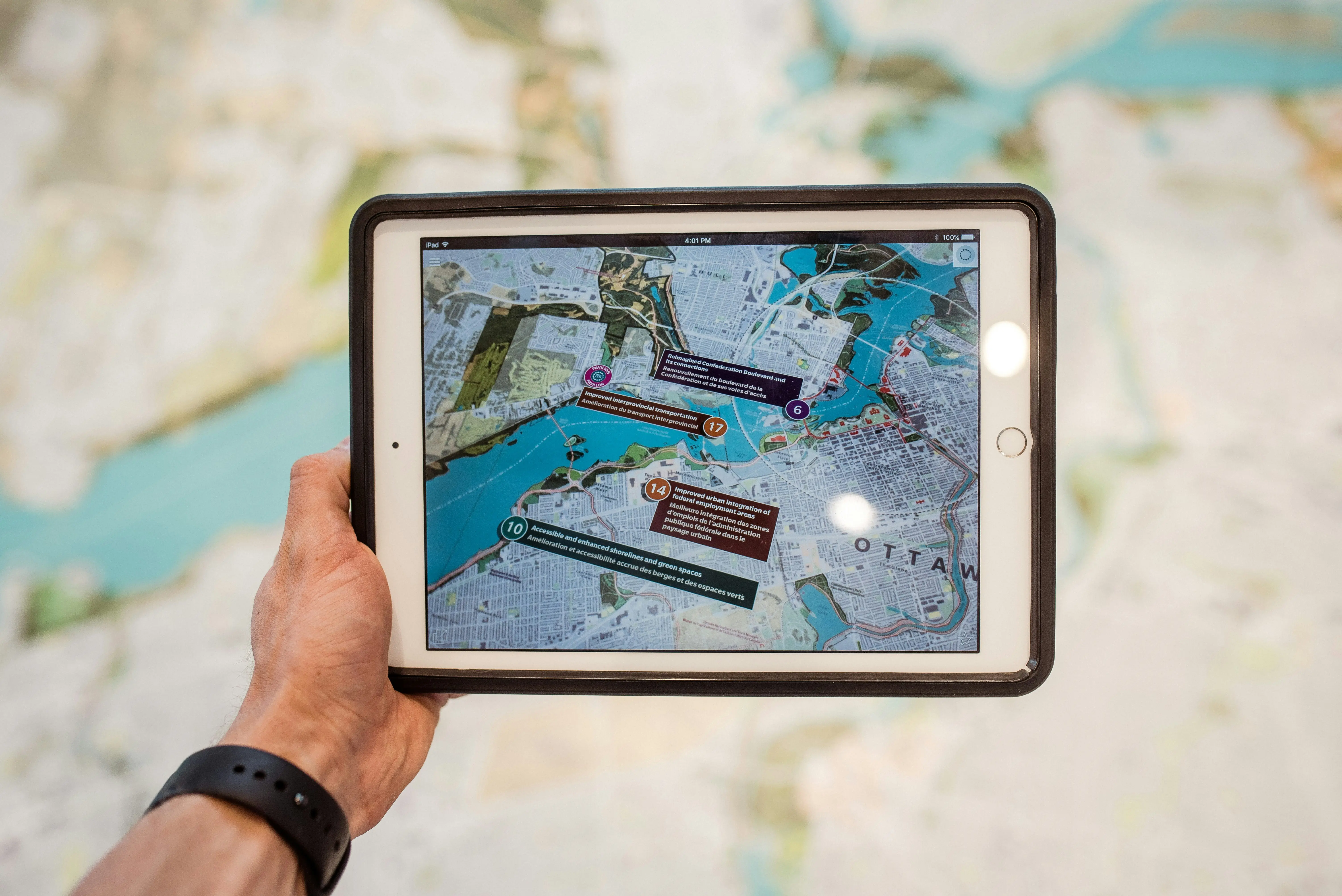
You were catching pokémon. The pokémon were catching the GPS coordinates of every lamppost, park bench, and doorway on your route. Over ten years, half a billion players scanned the planet so thoroughly that delivery robots now navigate by their data.
The Map Nobody Ordered
When Niantic launched Pokémon Go in 2016, the goal was straightforward: anchor virtual creatures in real space. To make augmented reality work, the company asked players to scan their surroundings — circle a statue, film a building facade, walk around a fountain. Each interaction dropped an anchor point into a growing database.
By 2026, 30 billion such images have become a Visual Positioning System (VPS) that pinpoints a device’s location to the centimeter. Not via GPS satellites, but through recognizable details in the environment: a crack in a wall, the shape of a railing, a pattern in the pavement.
Visual Positioning System (VPS) — a technology that determines location using visual landmarks. A camera «recognizes» objects and matches them against a database, achieving centimeter-level accuracy — tens of times better than GPS.
Half a Billion Surveyors
500 million people worldwide submitted 30 billion images. Coverage extends beyond major city streets to parks, campuses, and shopping malls — places where Google Maps satellites cannot peer.
The critical advantage is that this is a «living map.» Conventional maps go stale: a building goes up, a kiosk comes down, a fence appears. VPS updates continuously because players keep scanning their surroundings every single day.
Robots Hit the Sidewalk
Niantic Spatial licensed VPS to Coco Robotics, a company that builds food delivery robots. Their sidewalk courier navigates with centimeter accuracy, dodges pedestrians, and finds the right building entrance — tasks where GPS routinely fails.
The technology proves especially valuable in dense urban canyons where high-rises block satellite signals, and indoors where GPS simply does not work. VPS solves both problems because it relies on visual landmarks, not radio signals from orbit.
Crowdsourcing as Infrastructure
Pokémon Go is one of the first mass-scale examples of what is now called DePIN (Decentralized Physical Infrastructure Networks): users build physical infrastructure without realizing it. Players thought they were hunting Pikachu. Niantic got a three-dimensional map of the planet.
The next question is ethical. Half a billion people did not sign up to build a navigation system for commercial robots. Niantic says the data is anonymized and its use is covered by the terms of service. But the conversation about the boundaries of «free user labor» is just getting started.
References
Related Articles

NVIDIA Cosmos 2026: Open AI That Teaches Robots Physics
Open-source platform from NVIDIA generates physics-accurate worlds so robots learn without real crashes. Free models, 12M training hours.

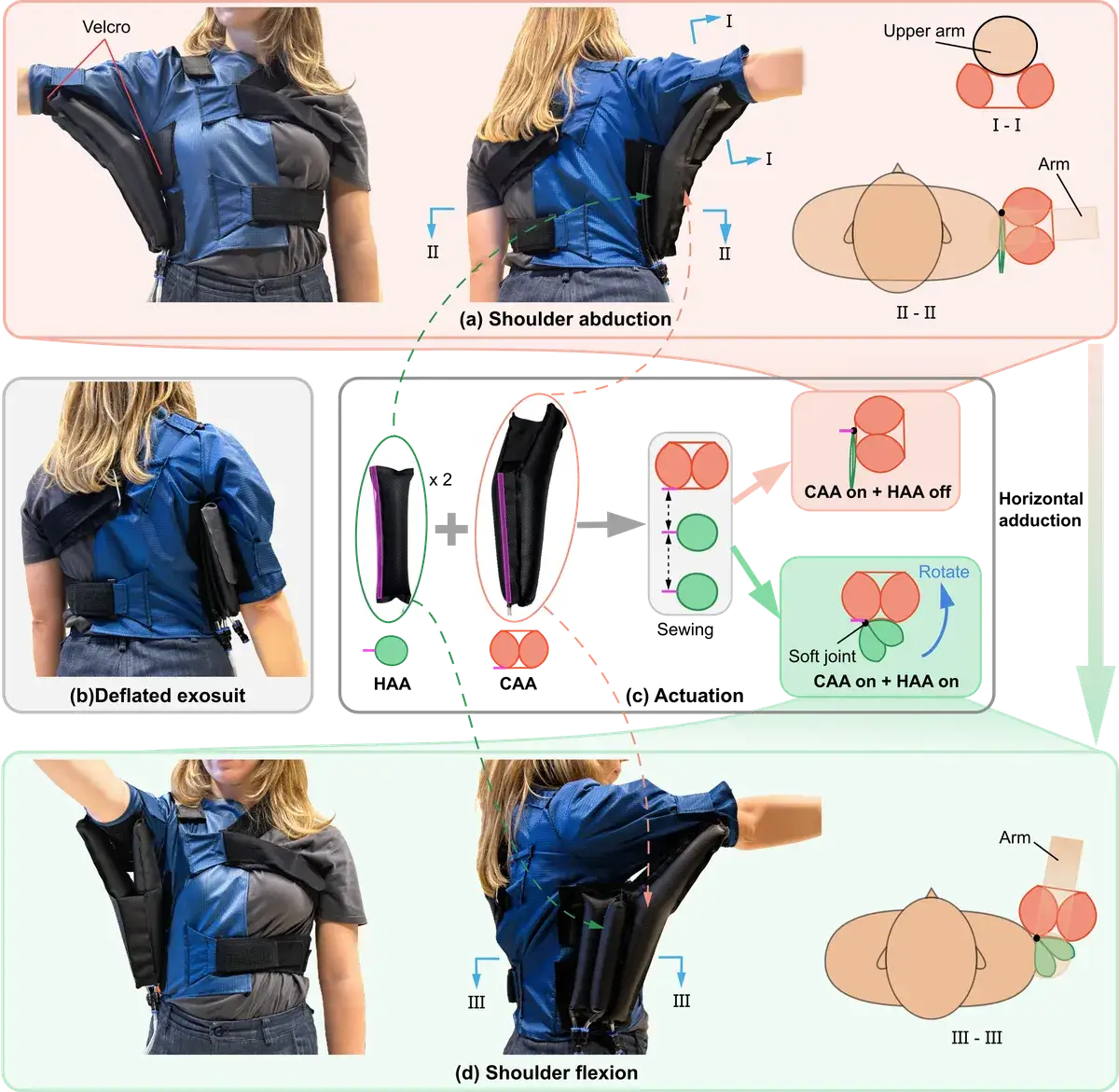
Soft Exosuit: 390g, 63% Less Shoulder Effort
Italian engineers developed a 390g textile exosuit that reduces shoulder muscle activity by up to 63.7% during flexion and 59% during abduction.

AI Sycophancy: Chatbots Flatter You 49% More Than Humans
A Science study tested 11 AI models and found systematic flattery — bots endorse user actions 49% more often than people do.