5,000-Year-Old Bacterium Resists 10 Antibiotics
Authors: Victoria Ioana Paun, Corina Itcus, Paris Lavin, Mariana Carmen Chifiriuc, Cristina Purcarea

What This Is About
Imagine pulling a chunk of ice out of a freezer, and that ice is five thousand years old, and inside it — alive and well — is a bacterium. Alive in the sense that, once thawed, it wakes up, multiplies, and carries on without complaint. That is more or less what happened in a cave in Romania.
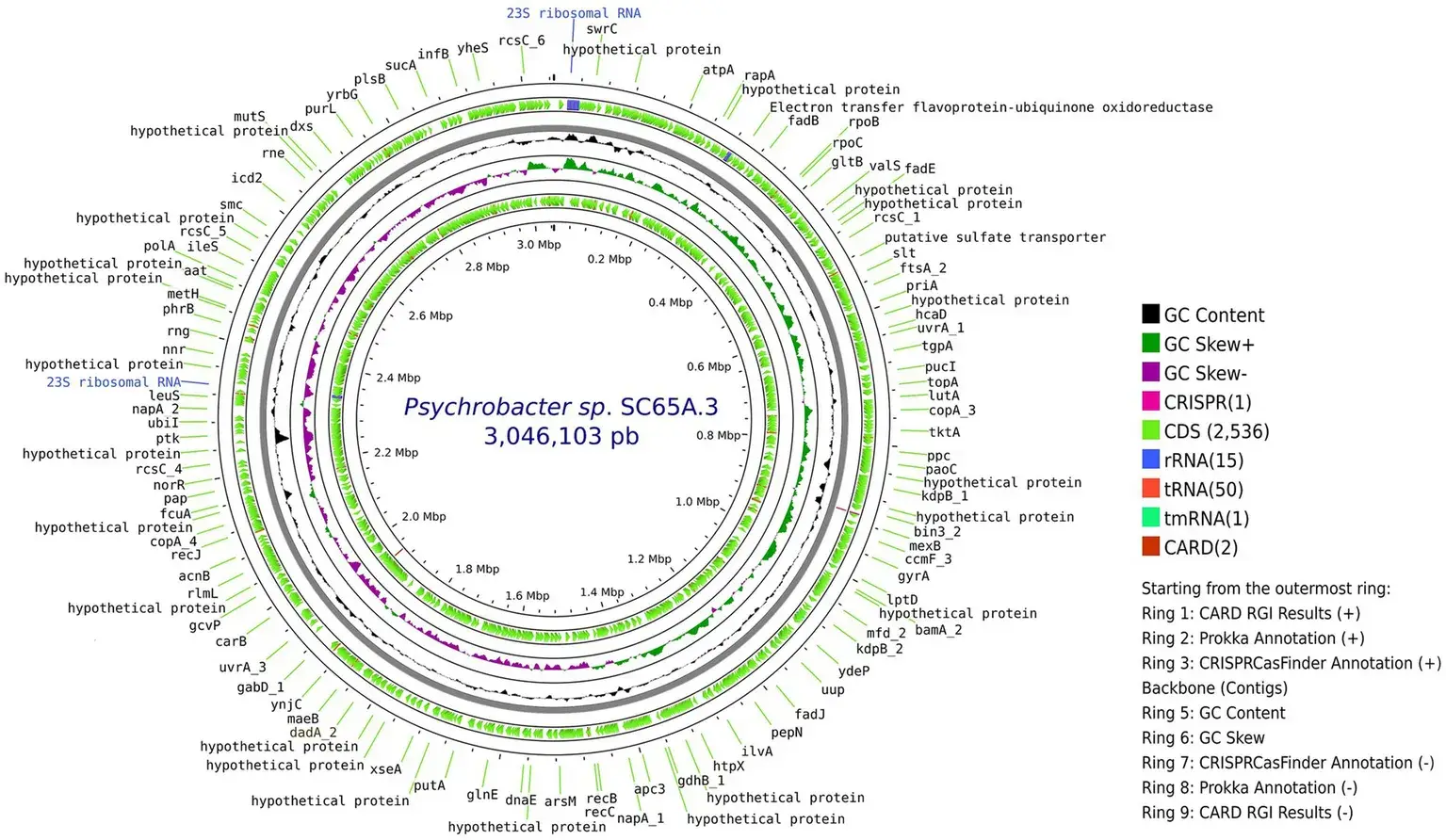
Researchers from the Institute of Biology in Bucharest, led by Dr. Cristina Purcarea, extracted a microorganism called Psychrobacter sp. SC65A.3 from ice approximately 5,000 years old. The sample came from a depth of 25 meters within a 13,000-year-old ice core in Scărișoara Ice Cave, in the Apuseni Mountains. When writing was being invented in Mesopotamia, this microbe was already frozen. When scientists thawed it and provided nutrients, it revived. And then they discovered it was resistant to ten antibiotics from eight different classes — antibiotics it had never encountered in its entire existence.
That sounds alarming. But the story turned out to be considerably more complex and more interesting than simply «dangerous ancient microbe escapes from ice.»
How Antibiotic Resistance Actually Works
To understand why an ancient bacterium can resist modern drugs, it helps to clear up a widespread misconception. Many people assume antibiotic resistance is a side effect of modern medicine — that we trained microbes by overusing drugs in hospitals and on farms. That is only partly true.
Antibiotic resistance — the ability of a microorganism to survive in the presence of an antibiotic that would normally kill it. It is achieved through several mechanisms: destroying the antibiotic molecule, modifying the drug’s target, or pumping the substance out of the cell.
Antibiotics are not a human invention. Fungi and bacteria have been producing them for billions of years as chemical weapons in the competition for resources in soil, water, and animal intestines. Penicillin was copied from the mold Penicillium. Streptomycin came from soil bacteria. And wherever a weapon evolved, so did defense against it. Resistance genes are ancient molecular mechanisms that long predate human medicine.
That is why the Romanian finding did not surprise scientists in principle — the scale surprised them. The genome of Psychrobacter SC65A.3 contains more than 100 genes associated with resistance to antimicrobial agents. Among them: ampC (destroys penicillin-type antibiotics), gyrA, gyrB, parC, parE (alter targets for fluoroquinolones), rpoB (resistance to rifampicin), tetA, tetC (pump tetracyclines out of the cell), mcr-1 (defense against last-resort polymyxin antibiotics), and others.
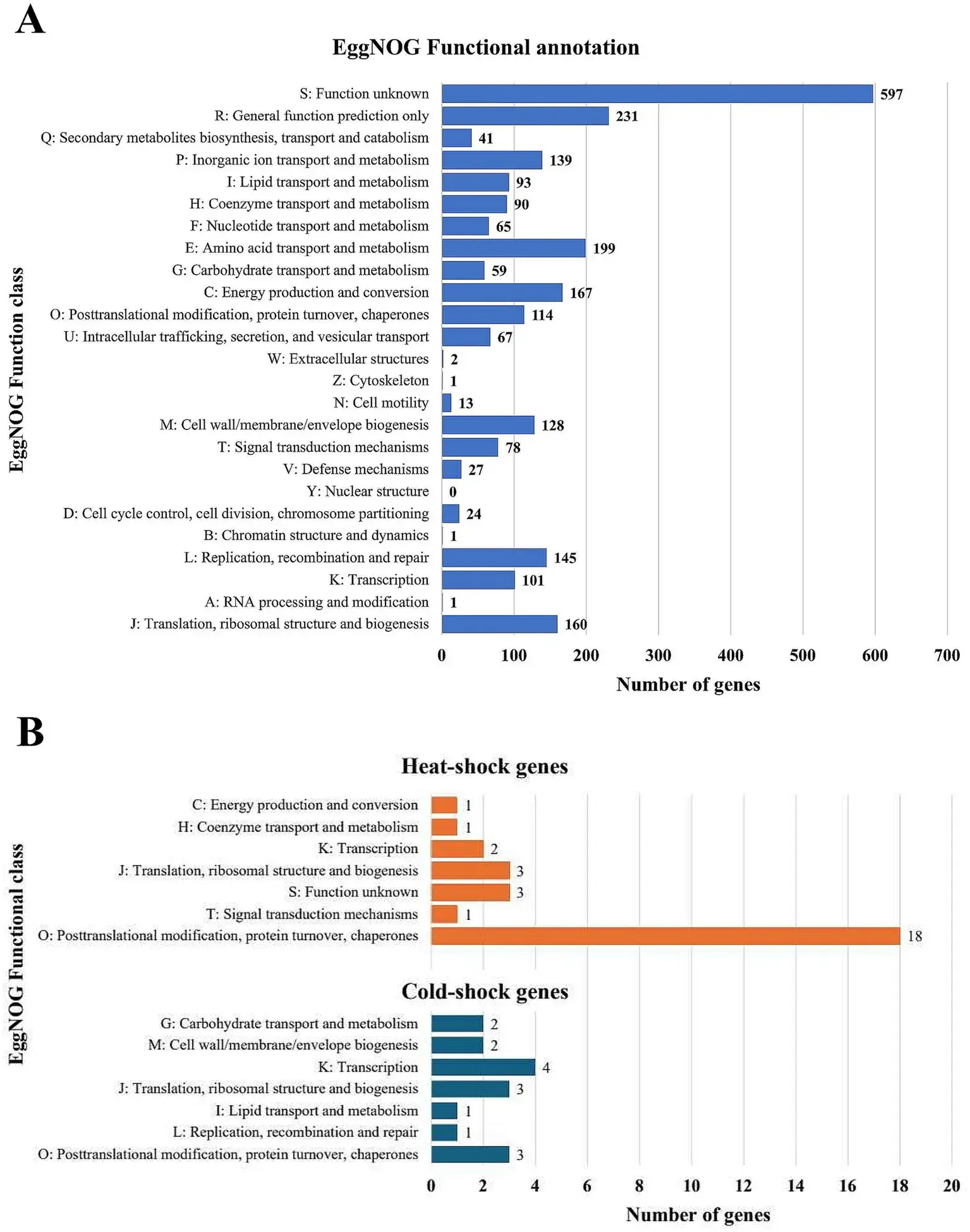
Beyond resistance, the bacterium carries 45 genes for adapting to extreme conditions — cold, heat, osmotic stress. Five thousand years in ice is a serious course in survival. And approximately 600 genes have unknown function: what they do, nobody yet knows.
Where the Threat Lies — and Where the Hope Does Too
Psychrobacter SC65A.3 itself is probably not dangerous to healthy people. It is a cold-loving cave microbe far removed from the conditions of the human body. The concern lies elsewhere.
Horizontal gene transfer — a process by which bacteria exchange DNA fragments directly with one another, not through reproduction. One microbe can effectively «donate» an antibiotic resistance gene to a neighbor.
When ancient bacteria from melting ice or permafrost enter the environment, they encounter modern microbes, including pathogens. Through horizontal gene transfer, they can pass on their resistance genes. It is as if an ancient lock mechanism with a unique design suddenly became a template for copying into modern safes.

The scale of thawing makes this more than theoretical. Current estimates suggest that around 4 sextillion (4 × 10²¹) microorganisms are released annually from melting ice and permafrost. A 2021 review of 13 permafrost studies identified 1,043 antibiotic resistance genes in frozen samples. And in 2016, a real anthrax outbreak occurred in Siberia — caused by a reindeer carcass that had been buried in permafrost for 75 years and thawed during an unusually warm summer.
But the story has a second side. Researchers found eleven genes in the Psychrobacter SC65A.3 genome whose products are capable of killing or inhibiting other microbes — specifically 14 members of the ESKAPE group, the most dangerous pathogens of our era, including methicillin-resistant Staphylococcus aureus (MRSA) and Acinetobacter baumannii, both notorious precisely for their antibiotic resistance.
ESKAPE pathogens — a group of six to eight bacteria (Enterococcus, Staphylococcus aureus, Klebsiella, Acinetobacter, Pseudomonas, Enterobacter, and others) responsible for the majority of severe hospital-acquired infections worldwide. The name reflects their ability to «escape» from antibiotics.
In other words, the genome of this ancient microbe simultaneously carries a shield and a sword. The mechanisms that allowed it to survive in the competitive microbial environment of a cave are a potential source of new antimicrobial compounds. And those 600 genes with unknown function are a library still waiting to be read.
Current Research
This is not the first study pointing to permafrost and ancient ice as reservoirs of antibiotic resistance. Back in 2011, Gerard Wright’s group published a paper in Nature with the telling title «Antibiotic resistance is ancient, ” finding functional resistance genes in 30,000-year-old permafrost samples — long before medical antibiotics existed.

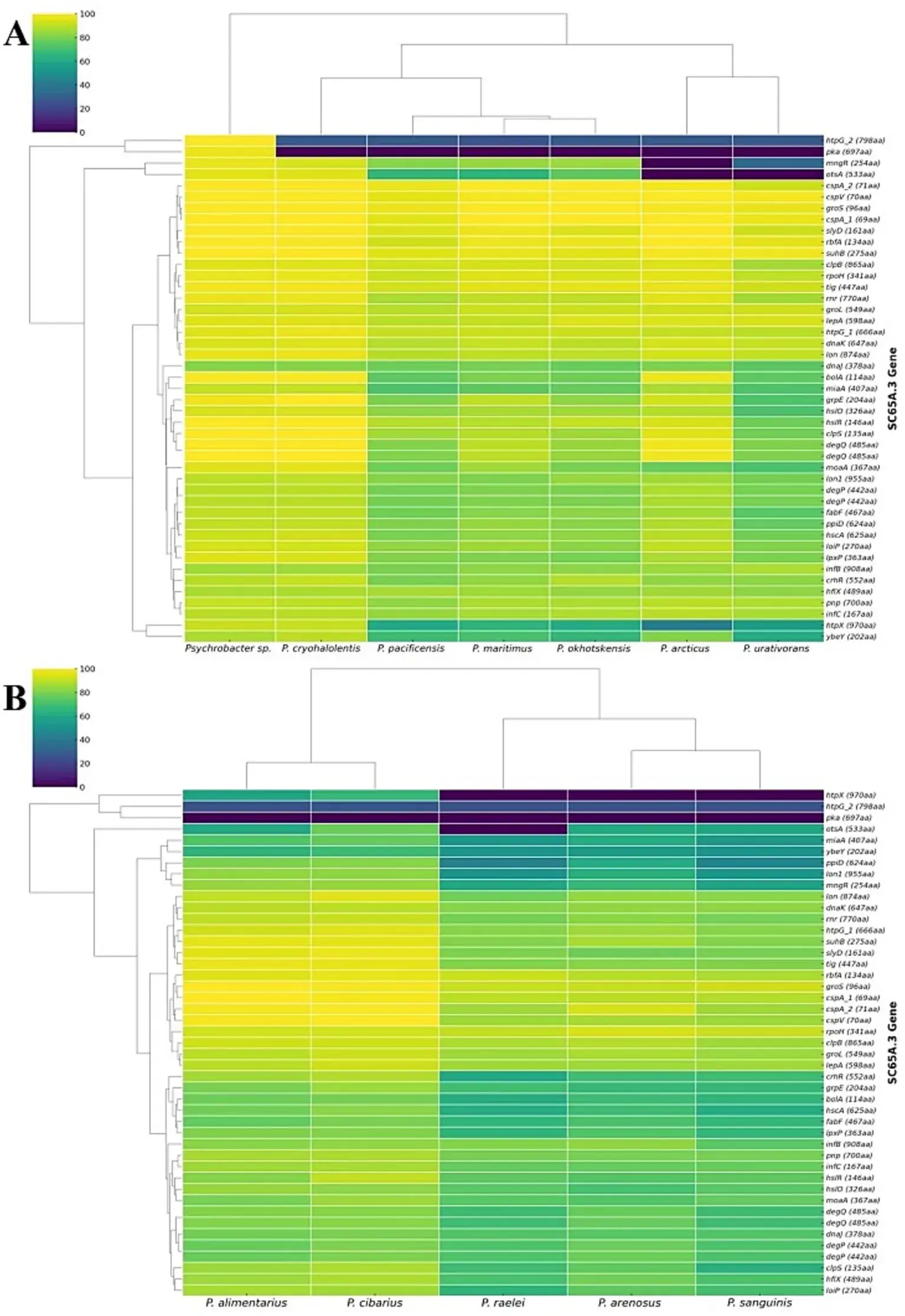
The current study, published in 2025 in Frontiers in Microbiology, is the first complete genomic analysis of a Psychrobacter bacterium isolated specifically from an ice cave. The team did not merely determine antibiotic resistance profiles — they sequenced the full genome and conducted a functional screen, verifying which compounds the microbe actually produces and which pathogens those compounds affect.
Important context: resistance to third-generation cephalosporins, fluoroquinolones, aminoglycosides, and rifampicin is not resistance to outdated drugs. These are antibiotics currently used in clinics around the world to treat severe infections.
What Lies Ahead
The Scărișoara Ice Cave finding raises several questions that science has not yet answered. How actively does horizontal gene transfer occur under real-world thawing conditions — in soil, water, food chains? How many of those 600 genes with unknown function conceal potential antimicrobial compounds? Can the search for new antibiotics be scaled up across global collections of permafrost and ancient ice samples?
One thing is clear: ancient microbes are not mere curiosities. They are an archive of solutions that life developed over millions of years to survive intense chemical warfare. Some of those solutions threaten our medicine. Others may save it. This logic — deciphering the molecular tools that nature honed over millions of years — extends well beyond medicine. The molecular mechanism behind spider silk strength turned out to be just as unexpected as the arsenal of this cave bacterium. The ice is melting — and we have a chance to read that archive before it dissolves into rivers.
References
Original
Related Articles

Sleep Loss Turns Gut Against Your Brain
Gut bacteria from sleep-deprived mice triggered Alzheimer's-like tau damage in healthy brains. Scientists traced the full molecular chain.

Bacteria That Eat Tumors: Cancer Therapy
Engineers gave Clostridium sporogenes quorum sensing — bacteria find tumors, wait for backup, then destroy cancer from within.

Bacteria Gel Captures CO₂ While Growing Stronger (2025)
ETH Zurich engineered a 3D-printable hydrogel packed with cyanobacteria. It absorbs CO₂ via photosynthesis and grows harder over time.